Type 1 Diabetes Associate Program Officers
It can be hard to manage type 1 diabetes — managing it through life changes and pregnancy is often even harder. Type 1 diabetes (T1D) affects millions of people and touches nearly every part of their lives. Yet there is a lack of good evidence and clinical guidelines for navigating how T1D intersects with pregnancy and women’s health.
We know that improving maternal health outcomes means investing in health throughout life — childhood, puberty, family planning, pregnancy, postpartum, and beyond. That’s why Helmsley is helping build a more complete picture of what it means to manage T1D before, during, and after pregnancy.
Technology and Pregnancy: Real-World Evidence on Automated Insulin Delivery
Pregnancy is a time of profound change, and for people with T1D, it often requires major adjustments in their daily diabetes management. Pregnancy outcomes in T1D are tightly linked to glucose control, and guidelines recommend maintaining strict glycemic targets to reduce maternal and fetal risk. At the same time, gestational changes to insulin sensitivity and absorption can make it difficult to achieve these tighter glycemic targets. While automated insulin delivery (AID) systems have been shown to improve blood sugar management outside of pregnancy, there is little evidence or guidance on translating their use for the needs of obstetric care — in the US there is no AID system currently FDA-cleared for use in pregnancy.
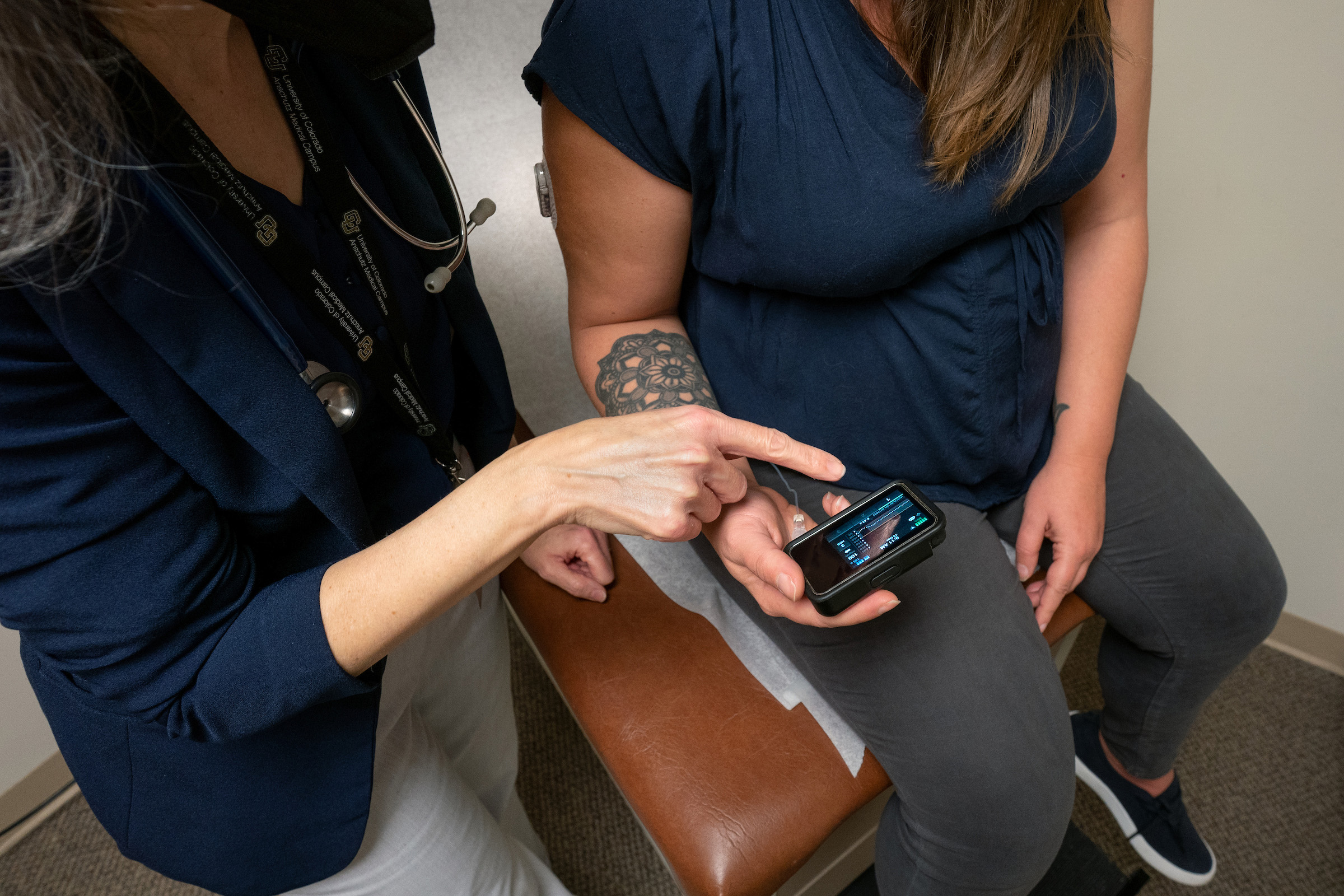
To help address this, researchers at the Jaeb Center for Health Research are leading the T1D Pregnancy & Me study, a large-scale real-world study capturing how pregnant people with T1D use diabetes technology and the impact on health outcomes. The study tracks continuous glucose monitor (CGM) data, insulin-use patterns, and pregnancy outcomes from early gestation through postpartum, and will evaluate which strategies and metrics best predict healthier outcomes.
This study holds promise to provide powerful insights on the best tools for managing blood sugar during pregnancy, so women and health professionals are better equipped to leverage AID systems for diabetes in pregnancy. Its publicly available dataset will provide the first large-scale evidence base to guide safer, more effective AID use in pregnancy today, and will directly inform development for pregnancy-specific AID algorithms in the future.
Helmsley grantees are helping establish best practices and define new global standards for quality T1D care during pregnancy. What can we do to ensure every woman has access?
Strengthening Global Standards: WHO Guidelines on Diabetes in Pregnancy
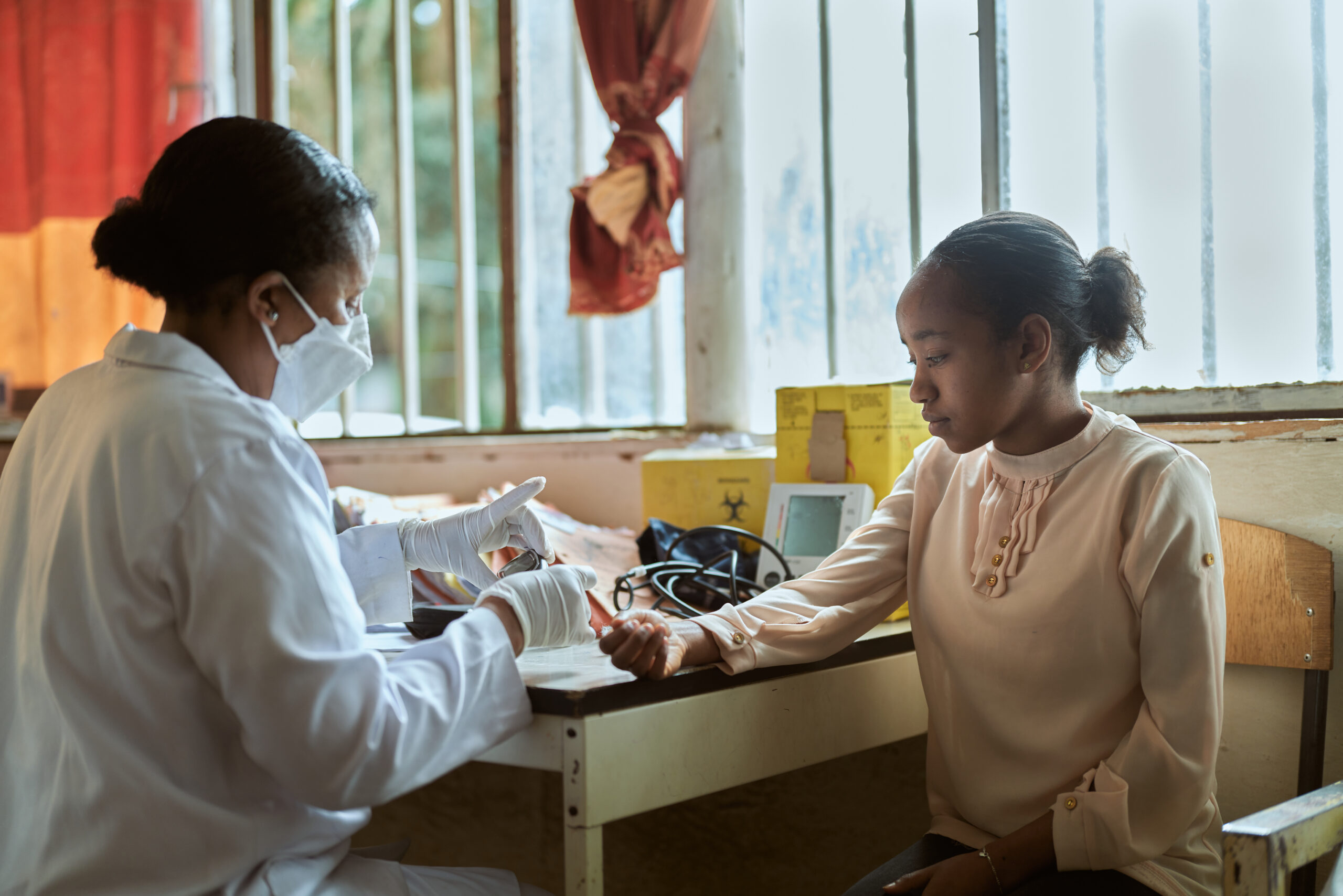
Where someone lives shouldn’t determine the health of their pregnancy, yet for millions, it does. In many low- and middle-income settings, diabetes and its complications can go undetected, putting mothers and babies at serious risk. Many health systems in these settings face challenges such as limited screening capacity, inconsistent clinical protocols, and shortages of trained healthcare providers.
The World Health Organization’s (WHO) new recommendations on care for women with diabetes during pregnancy aim to change that by creating consistent, evidence-based standards for screening, diagnosis, and care that support clinicians and empower women everywhere. The recommendations include guidelines for insulin use, maternal and fetal monitoring, diet, blood sugar monitoring, and glycemic targets. These first-of-their-kind WHO guidelines empower national health systems to prioritize care for all scenarios: pre-existing type 1 or type 2 and gestational diabetes.
These first-of-their kind guidelines developed with Helmsley support will help improve care in three essential ways:
Improving diabetes care during pregnancy leads to healthier mothers and babies and helps build health systems that support women before conception, throughout pregnancy, and into the postpartum period. To provide informed care for people with T1D who may become pregnant, we also need to better understand how blood sugar changes are influenced by reproductive hormones during menstrual cycles.
Hormones and Health: Personalizing Type 1 Diabetes Care Across the Menstrual Cycle
For people with T1D, menstrual cycles can feel like an unpredictable and exhausting puzzle of highs and lows. The interplay between menstrual cycles, driven by fluctuations in reproductive hormones, and blood glucose variation, is poorly understood. It can be incredibly challenging for people with T1D to account for cycle phases when dosing insulin, or planning diet and activity. One day blood sugar spikes, while in another phase of their cycle the same factors might lead to blood sugar crashing. Many people with T1D already limit or avoid exercise due to concerns about sudden highs or lows, and menstrual- or contraceptive-related hormone changes can make those challenges even harder to manage. Understanding these patterns is essential to designing care that responds to the realities people with T1D experience during their menstrual cycles.
Researchers at the University of Colorado Denver are examining how menstrual cycle phases and hormonal contraceptives influence blood sugar patterns and exercise tolerance. The goal is to create solutions with more individualized insulin dosing and diet recommendations to help people with T1D manage menstrual cycle variations and exercise.
This research recognizes that menstrual health and contraceptive choices are not peripheral to diabetes care but fundamental to it. While it stands to improve care for all people with T1D who menstruate whether or not they are or will be mothers, when it comes to maternal health we know that ensuring people have the tools they need to manage diabetes throughout their cycle is crucial to setting them up for a healthy pregnancy, postpartum period, and beyond.
Bringing the Full Picture into Focus
Step by step, Helmsley grantees are building toward a future where health information and care reflect the dynamic realities of living with T1D around the world — where we have better, personalized care for people with T1D through all life’s stages. We look forward to continuing this work, because we know that maternal health isn’t measured in nine months of pregnancy. It’s measured in a lifetime of support.