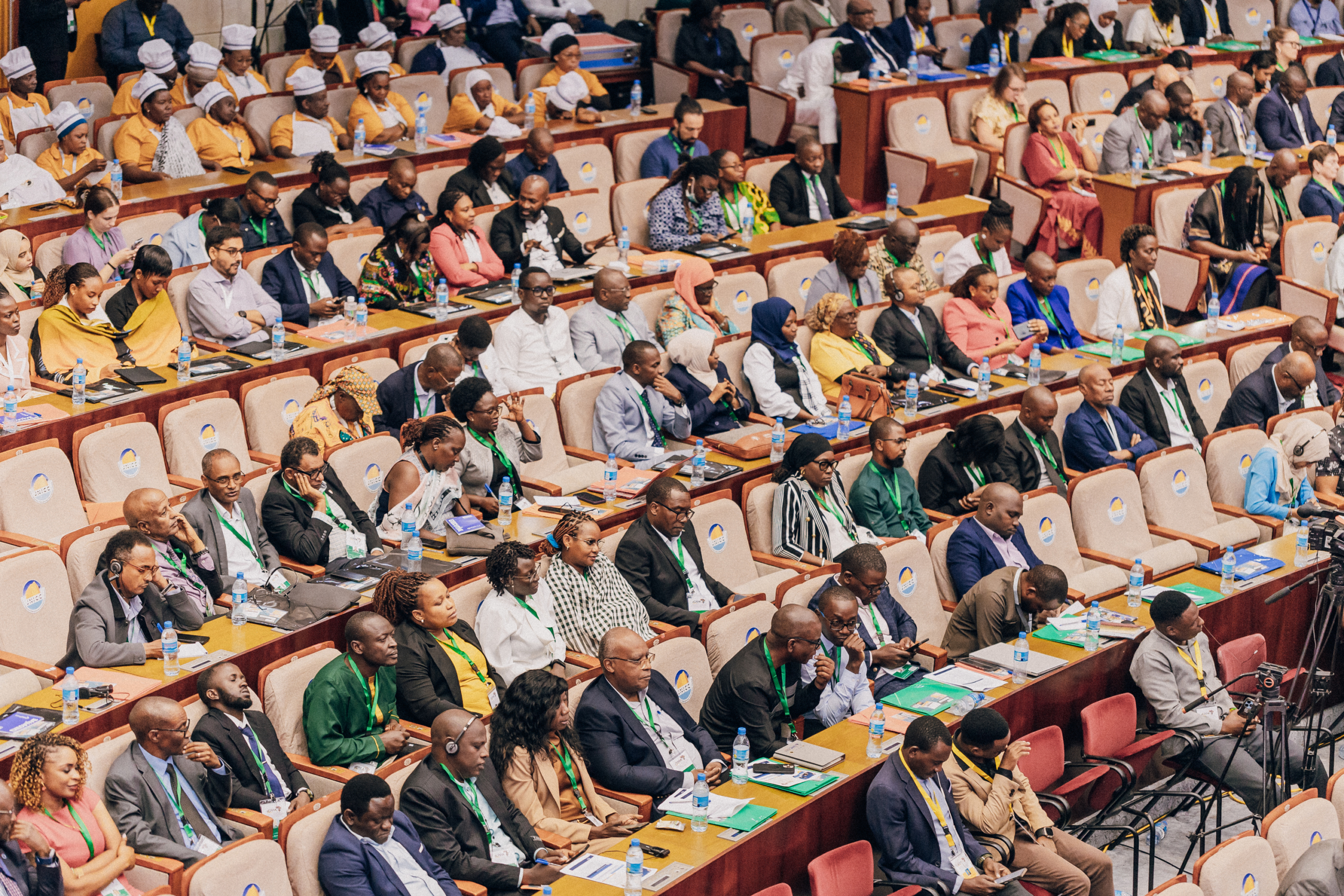
In late June, the World Health Organization Regional Office for Africa (WHO AFRO) hosted the third International Conference on PEN-Plus in Africa (ICPPA) in Dar es Salaam, Tanzania. This year, African health leaders didn’t come to hear about a promising pilot. They came to talk about scaling it.
The discussion shifted from proving PEN-Plus works to building the systems needed to sustain it. African governments’ growing ownership was demonstrated in national operational plans, not just speeches, while participants closed the conference with a formal Call to Action. Moving beyond the intentions in the 2022 regional resolution for severe noncommunicable diseases, including type 1 diabetes, WHO and member states now have a roadmap.
We left Dar es Salaam optimistic about where this partnership stands, and clear-eyed about the work still ahead.
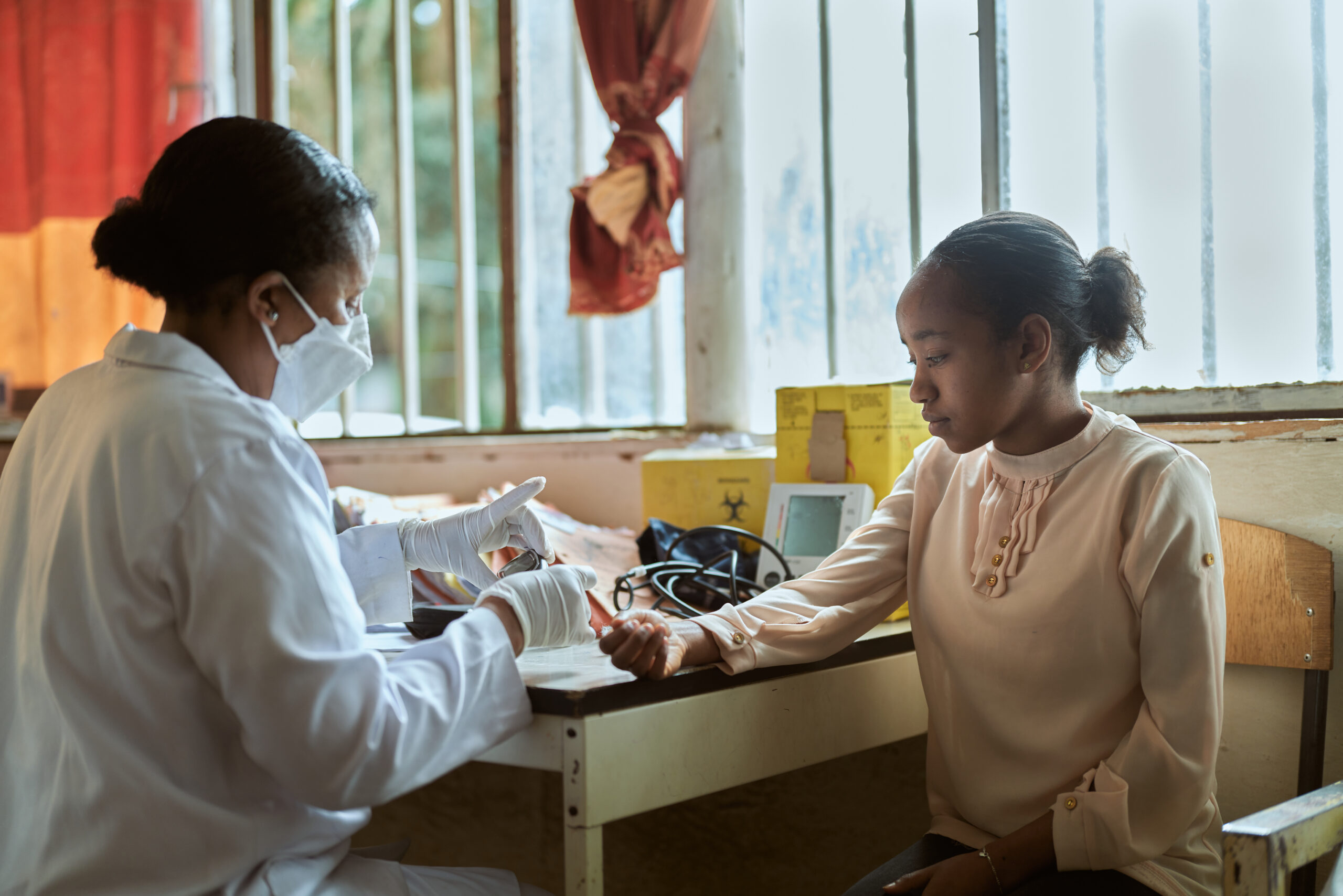
PEN-Plus is a healthcare delivery model designed to bring the diagnosis and treatment of noncommunicable diseases (NCDs) to local, district-level clinics. The recent report from WHO AFRO demonstrates how PEN-Plus is gaining momentum in the region. It is increasingly framed as a health systems solution rather than a disease-specific program — integrating into primary care, referral systems, maternal and child health, and universal healthcare planning.
In 2020, three countries in the Africa region were delivering care for people living with severe NCDs through PEN-Plus. Currently, there are 20 countries in the region initiating or implementing the program. At ICPPA, discussions covered financing, workforce development, supply chains, and pathways for embedding PEN-Plus as a permanent part of national health systems.
District hospitals are becoming the frontline for equitable care, with decentralization and clinician mentorship expanding access beyond specialty clinics in major cities. Peer-to-peer learning is doing real work. Expertise and innovations are increasingly being shared across the continent as countries adapt lessons from peers facing similar health system challenges, in addition to receiving support from WHO and funding partners.
At ICPPA three years ago, the question was whether integrated models like PEN-Plus could work. In Dar es Salaam, the question was how fast it can be scaled.
At ICPPA, the conversation focused on strengthening health systems and directing domestic resources as more countries in the region incorporate the program into their ministries of health. Ministries cited how PEN-Plus is now being built into the overall health system, including pre-clinical nurse training, data and monitoring systems, ongoing mentorship and referral pathways, and institutionalized peer support models. WHO AFRO’s Regional Director Mohamed Janabi, MD, PhD, and the Honorable Mohamed Mchengerwa, Tanzania’s Minister of Health, both spoke on investment and scale-up, signaling their confidence that this model can and will bring chronic care to everyone who needs it.
The Call to Action formalized this: participants committed to fully implementing PEN-Plus, financing it directly, and integrating it into universal healthcare packages as country ownership shows up in national operational plans. We’ve seen this illustrated in Zimbabwe, where the government is integrating the PEN-Plus model into national training curricula, essential medicines lists, and health information systems, with support from partners — NCDI Poverty Network, SolidarMed, Clinton Health Access Initiative, and UNICEF. While further work is needed to bring these plans to life, this is a major shift to government-led processes.
Justice Mudavanhu, MBChB, MPH, Director of NCDs at Zimbabwe’s Ministry of Health and Child Care, put it simply: “For this to be sustainable, it couldn’t be a donor-defined boutique program. It had to become just ‘the way we do things’ in Zimbabwe’s health system.”
Countries are drafting operational plans faster than they’re securing funding to execute them.
The Call to Action highlights the role of donors to support the initial implementation of PEN-Plus while countries lead on securing longer-term domestic financing to sustain the program, so everyone can receive the lifelong care they need. This requires philanthropy, government, and the private sector to work together.
At ICPPA, participants were ready to put those words into practice. Health financing reform, through mechanisms such as the World Bank Health System Transformation & Resilience Fund, health taxes, blended finance, and insurance coverage surfaced as viable options to ensure access to NCD care for the long-haul.
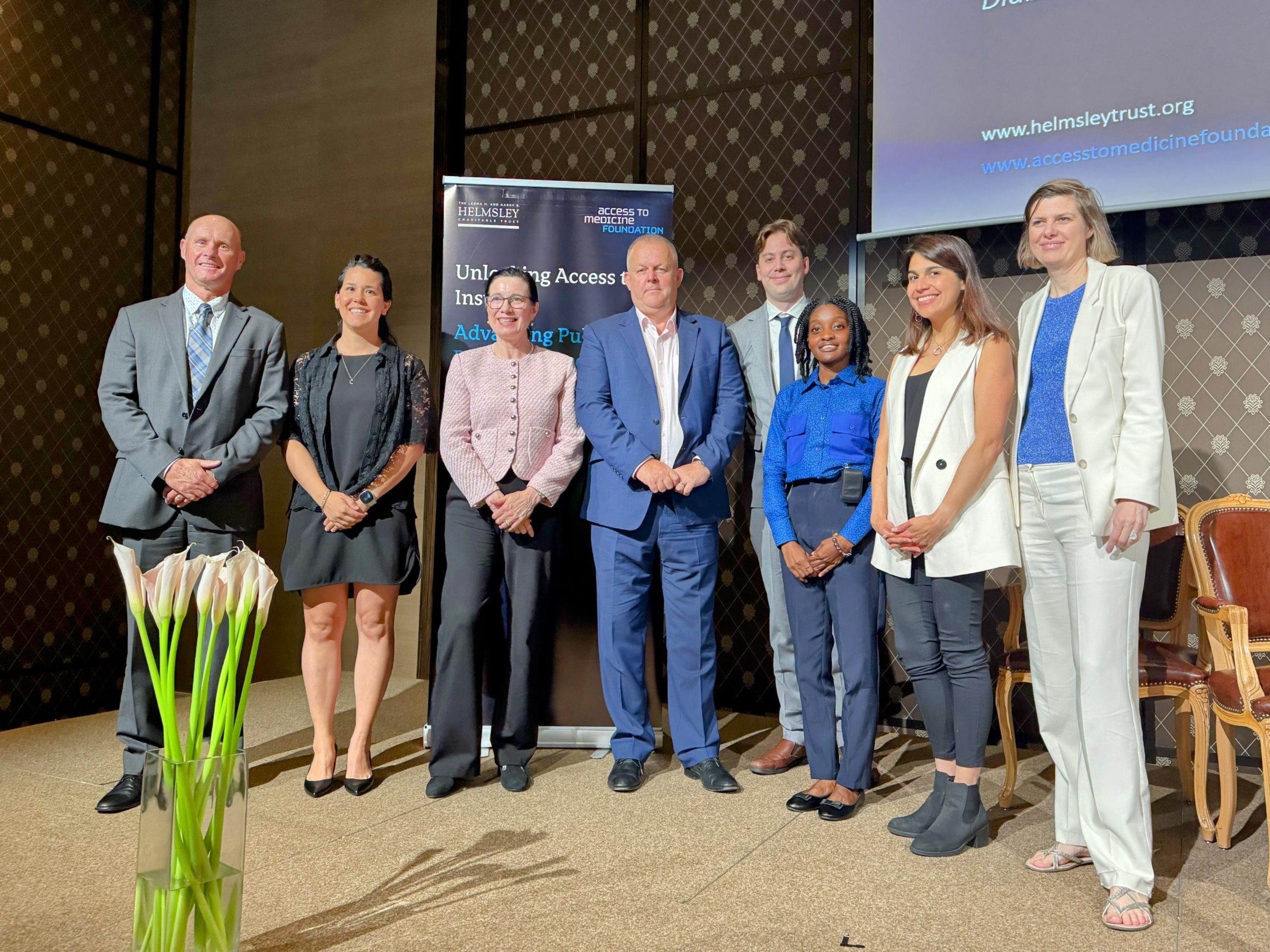
While Helmsley is committed to supporting the growth of PEN-Plus, sustainable support for regional healthcare systems will require further strategic funding and blended financing solutions. No one can solve these issues alone.
 The road ahead
 A roadmap can show us the destination, but not what the journey will demand of us.
The 2022 Resolution to expand PEN-Plus was a daring roadmap, and it has been incredibly humbling and gratifying to see the model grow and expand since then.
That progress belongs to the governments incorporating NCD care into their national systems, the WHO regional and country teams supporting implementation, and the communities whose experience shapes what quality care means.
And yes — there is still road ahead of us. Improving healthcare systems across the region requires rethinking the status quo as well as prioritizing, financing, and sustaining integrated programs for NCDs. Further, those solutions must reach district hospitals to ensure that everyone living with severe NCDs has the care they deserve. For people with type 1 diabetes, that means earlier diagnosis, reliable access to insulin and glucose monitoring, and continuous care delivered closer to home.
The Call to Action sets out specific steps for the next leg of our journey, for moving PEN-Plus from regional strategy to routine care. It calls on governments to finance and fully implement PEN-Plus, incorporate services for severe NCDs into universal healthcare packages, strengthen the heath workforce, improve data collection, and ensure consistent access to essential care. It also asks Ministers of Health to affirm these commitments through a Ministerial Communique on NCD care at the WHO Regional Committee for Africa in Addis Ababa this August. Lastly, it calls on African governments to champion this agenda to the 81st UN General Assembly later this year. As political commitments continue to advance, national governments will need to continue implementing national operational plans for PEN-Plus.
But the momentum in Dar es Salaam proved just how far governments, partners, clinicians, and communities are prepared to go. The task now is converting that momentum into lasting, measurable progress toward regional targets, and toward a future where everyone with type 1 diabetes can thrive.