Hypoglycemia, or low blood sugar, is a dangerous complication of type 1 diabetes. It can lead to shakiness or confusion and, in extreme cases, seizures, loss of consciousness, or even death. Frustratingly, too much insulin — the drug that people with type 1 diabetes (T1D) rely on daily to manage their blood sugar — can cause hypoglycemia. Diet and exercise also play a role. Worrying about hypoglycemia is a significant stressor for people with T1D and their loved ones.
In people without T1D, symptoms like hunger, shakiness, sweating, and lightheadedness can signal hypoglycemia, which can be addressed by eating something. Their bodies will also release glucagon in response to low blood sugar, which raises blood sugar by stimulating glucose production in the liver. For reasons that are not entirely clear, a person with T1D’s glucagon response becomes faulty, and furthermore many people lose the ability to feel that they are hypoglycemic with typical symptoms. This is dangerous, as they can fall unconscious due to hypoglycemia without warning. Hypoglycemia is especially dangerous at night, when a person may not wake up to recognize or treat their symptoms. Eventually, almost everyone with T1D has at least one frightening hypoglycemic episode: an emergency hospital visit, a car crash or a child who has a seizure at a sleepover. Even mild episodes are disruptive. Tools like Continuous Glucose Monitors (CGMs) have helped reduce the likelihood, but better treatments are needed to reduce the risk.
The underlying cause of dysregulated blood sugar in people with type 1 diabetes is they don’t produce insulin, due to the autoimmune destruction of the cells in the pancreas that typically produce it: beta cells. Without insulin, your body can’t convert food into energy. It protects against high blood sugar. In T1D, your blood sugar rises, and that imperils every organ in the body. With blood sugar monitoring, people with T1D can inject insulin to lower their blood sugar when it is high. Researchers have focused on beta cells as the key to understanding and treating T1D. If we can figure out how to protect or restore beta cells, we can reduce or eliminate the need for taking insulin — the disease might be delayed or even cured.
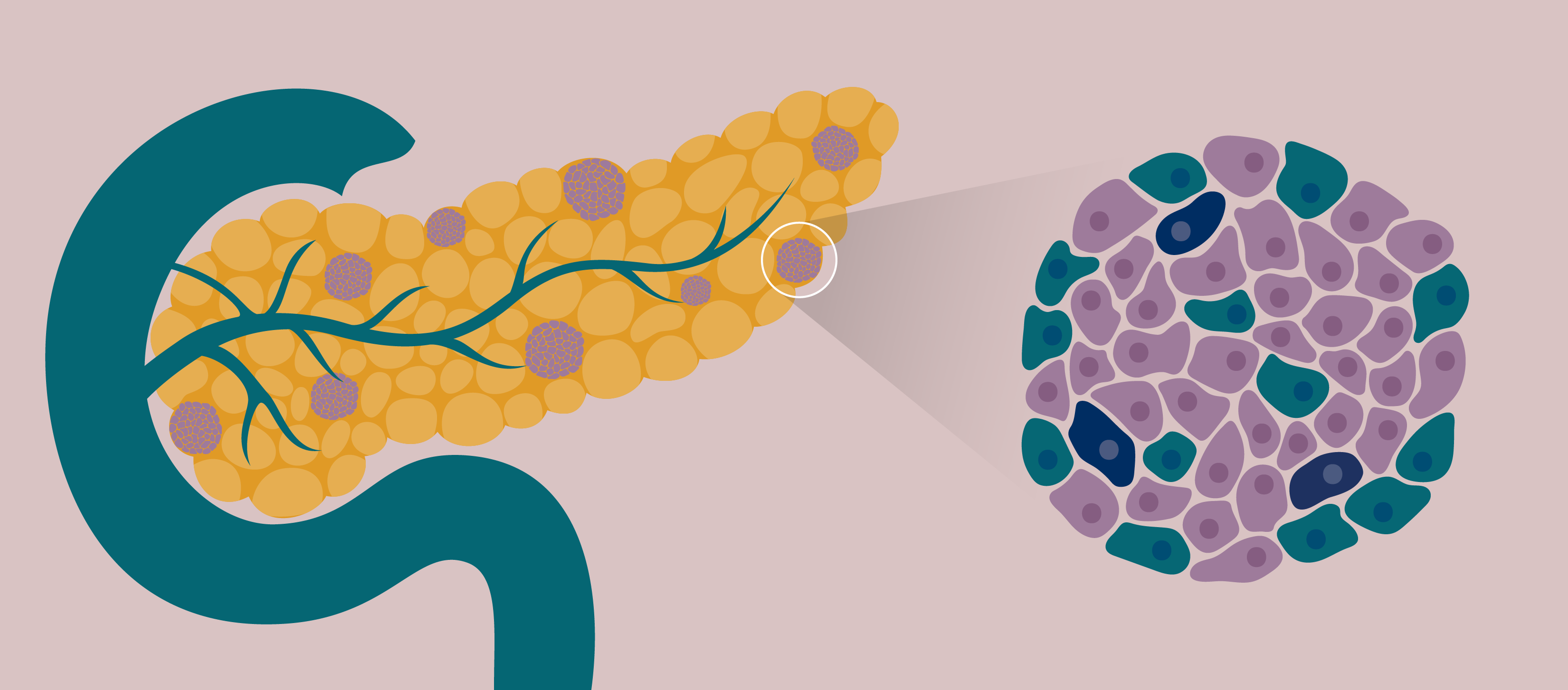
Beta cells sit in structures known as the pancreatic islet, with neighboring cells that get little attention but may hold the key to preventing hypoglycemia: alpha cells. These alpha cells are responsible for producing and releasing glucagon in response to low blood sugar. In T1D, the hypoglycemic response is lost — alpha cells become dysfunctional, which compromises glucagon release and hypoglycemic protection. The alpha cell is often overlooked so that many people are unaware of it, even though restoring its proper functioning could transform daily life for millions of people with T1D around the world.
If researchers could find a way to restore alpha cell function in T1D patients — to rebuild the protection against low blood sugar — this threat could be prevented or mitigated. We at Helmsley want to give alpha cells the attention they deserve. We are supporting research into this area and are excited by recent progress.
We have reason for optimism because alpha cells, unlike beta cells, don’t seem to be destroyed in the immune attack of T1D. But we don’t fully know why they don’t function correctly.
Progress has been made. Several years ago, we launched an academic working group aiming to understand alpha cell dysfunction and to identify therapeutics to restore their function. Thanks to Helmsley funding, new types of drugs have reached clinical testing, including somatostatin receptor antagonists and GPR119 agonists. Preclinical evidence suggests these drugs could restore alpha cell function, enhance glucagon secretion in response to low glucose levels, and thus prevent hypoglycemia.
Helmsley funded preclinical development studies into somatostatin receptor antagonists through Zucara. Thanks to this funding, Zucara successfully completed preclinical development, which enabled them to secure more typical biotech funding and move on to human clinical trials. While Helmsley funding is complete, we continue to be board observers, contributing guidance to the company as needed. It’s candidate ZT-01 now has “the potential to become the first therapeutic to prevent nocturnal hypoglycemia, a condition for which there are currently no available therapies.”
More recent clinical studies found that the GPR119 agonist did not improve glucagon secretion in people with T1D, indicating this drug candidate would likely not benefit patients. But the study gives additional important information about hypoglycemia response that can inform future studies. We believe it is important to support risky studies like this — we’re not afraid to take risks and fail, because we know the need is great.
There are many unanswered questions in the field. For example, how exactly does glucagon secretion and alpha cell regulation change in type 1 diabetes? Can alpha cell function really be restored in people with T1D? Is the abnormality in glucagon secretion different in individuals who have hypoglycemia unawareness? We’re still not even fully sure what alpha cell regulation looks like in healthy people.
At Helmsley, we’re committed to uncovering answers to these questions by working with researchers and funding studies so that people with T1D and their families can worry less about hypoglycemia — and sleep better at night.
To build on this effort, we convened a recorded meeting in 2024 with leading researchers exploring alpha cell dysfunction and its role in hypoglycemia in diabetes at the 60th Annual Meeting of the European Association for the Study of Diabetes. Selected speakers covered topics ranging from genetic studies that aim to understand the cause of glucagon secretion defects, understanding and restoring alpha cell function in type 1 and type 2 diabetes, clinical progress and regulatory perspectives regarding pharmacological strategies to prevent hypoglycemia, and additional exciting projects from submitted abstracts. We have made presentations from this symposium available for the entire diabetes community, as we continue to support projects that expand our knowledge on understanding and preventing hypoglycemia in T1D.