Looking back at the past 10 years, the progress in early detection of type 1 diabetes (T1D) and disease-modifying interventions has been amazing — especially the momentum in the past few years. Hundreds of thousands of children have been screened around the world. The first FDA-approved therapy to delay disease onset is available. Consensus guidance for autoantibody screening and monitoring early-stage disease is published. New clinical trials to prevent or delay the onset of clinical T1D are in progress.
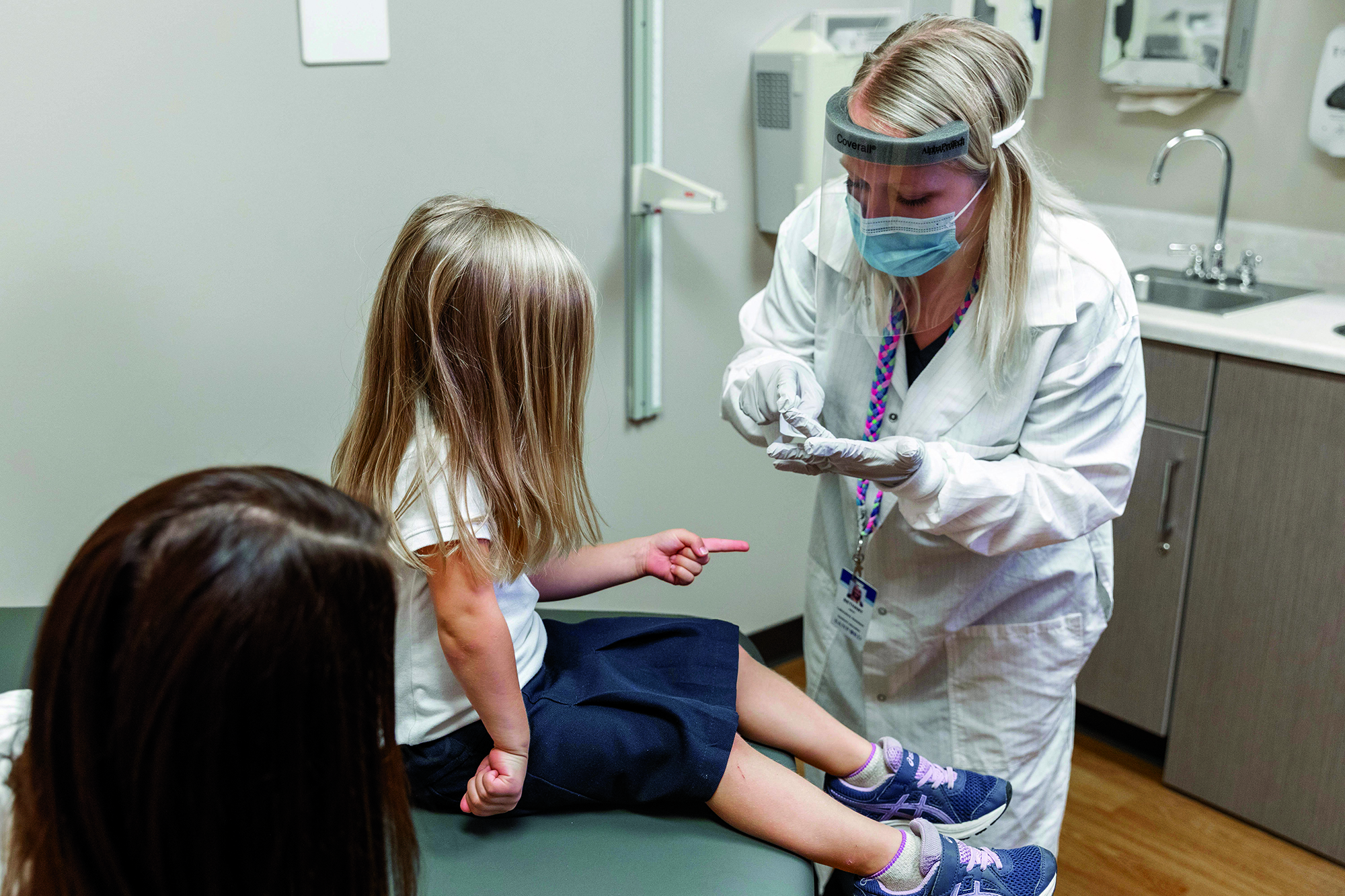
At Helmsley, our reason to support screening for early-stage T1D is simple: it saves lives and improves outcomes. Screening can identify people with early-stage disease, sometimes years before they have symptoms and need insulin. Early identification can prevent hospitalization for diabetic ketoacidosis at diagnosis. It allows families time to become educated before there’s a medical emergency and allows them to make earlier care decisions, resulting in improved long-term health outcomes. It facilitates participation in clinical trials and enables treatment with approved therapies. It just makes sense.
While relatives of people with T1D are at significantly increased risk of developing the condition, most people who develop T1D do not have an affected relative. Therefore, to be most effective, screening and appropriate follow-up care needs to be available to the general population, as part of routine pediatric care.
The Helmsley T1D Program’s mission is “Changing the trajectory of T1D,” for people across the spectrum, from those with a genetic risk all the way to those with longstanding T1D. We are continually inspired by the hard work of our grantees who bring this closer to reality every day. We know this isn’t easy — it takes persistence, courage, and a willingness to take risks, values that lie at the heart of Helmsley’s approach. Importantly, our grantees’ work remains deeply person-centered and focused on improving the lives of those we serve.
Several initiatives Helmsley has supported have contributed to the significant progress in the field and are helping chart a path toward broad implementation. The Fr1da study in Germany and the Autoimmunity Screening for Kids (ASK) program based in Colorado, have demonstrated feasibility and acceptability of screening in the general population — identifying hundreds of children with early-stage T1D along the way. EDENT1FI, a collaborative program in Europe, has screened well over 100,000 for early-stage T1D. Now, other research teams are generating additional evidence on the value of screening and developing guidance for clinical implementation. For example, the PLEDGE Study at Sanford Health is working on integrating pediatric screening in routine care within their system; and Ariadne Labs, in collaboration with leaders in the field, released the SPOT-T1D Kids Implementation Guide with step-by-step implementation guidance for primary care clinics.
As a community, we need to keep the momentum going toward our shared goals:
As the field continues to evolve, so too has Helmsley’s role and the types of projects we support. It’s critical that we remain flexible and change with the field’s changing needs. Evidence generation will always be important, but now more than ever, implementation work — turning that evidence into real-world impact — is truly needed.
It will take a range of stakeholders working together to continue to move the field forward, including families, researchers, healthcare providers, industry, policy makers, insurers, and regulators. We look forward to working with all of them to make the next 10 years as productive as the last.