In 2025 alone, more than 600,000 people died from undiagnosed type 1 diabetes (T1D) — people who never had the chance to receive the treatment and care they needed. This World Diabetes Day, the theme of early action underscores the importance of early detection and uninterrupted access to lifelong care.
This year, early action has a new engine worth celebrating: for the first time in its 78-year history, the World Health Organization (WHO) has released dedicated global guidelines for children and adults living with T1D, an important milestone for the 9.5 million people living with the condition worldwide. Helmsley is proud to have funded the development of both sets of guidelines, which WHO developed independently.
Until now, most T1D guidance has come from clinical societies focused largely on high-income settings. Drawing on years of research and real-world experience, WHO’s new recommendations establish a shared global standard that countries can adapt to their health systems. Similar WHO guidance has helped countries prioritize treatment, train health workers, and coordinate care. These new T1D guidelines offer the same opportunity to make early action part of routine T1D care.
From Early Diagnosis to Lifelong Care: What the Guidelines Mean for People Living with T1D
WHO guidelines turn evidence into practical recommendations that can shape care delivery and national health policies, helping countries put earlier diagnosis and timely treatment into practice. Together, the new guidelines lay out recommendations for consistent care from childhood through adulthood, with the adult guidelines also covering emergency and humanitarian settings. Across both, three priorities stand out:
Alongside a broader list of recommendations, these key points illuminate a path toward quality T1D care at every stage of life.
How We Got Here: Building the Evidence for Early Action
WHO guidelines are only as strong as the evidence behind them. For people living with T1D in LMICs, that evidence has long been limited. With Helmsley’s support, partners have helped build the research and practical experience needed to inform care:
These efforts have strengthened the evidence behind global standards and tested ways to deliver timely, lifelong care where it is needed most.
What Comes Next: Making Early Action a Reality
For countries without their own T1D guidance, WHO’s recommendations offer a ready starting point, helping health workers deliver more consistent care.
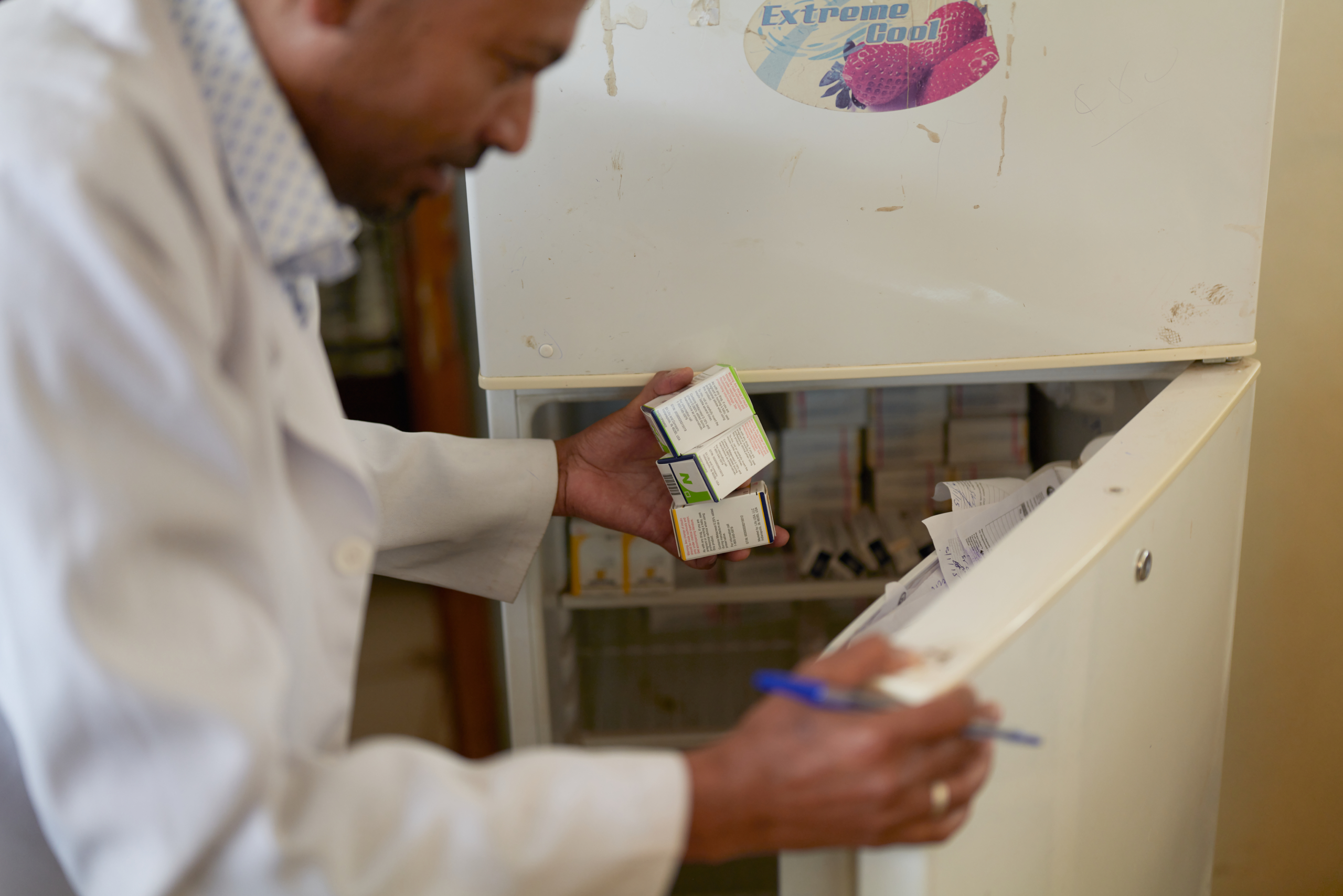
While the guidelines are an important and historic step forward, it’s also worth reiterating that many of the recommendations reflect the current state of global insulin and diabetes supply markets. Costs and availability vary widely between high- and low-income countries, particularly for newer analogue insulins, injection pens, and CGMs. Fortunately, that can change. By strengthening national procurement policies and cross-sector engagement, we can help close those gaps and make supplies more affordable and reliable over time, so that everyone, everywhere can access the best available medicines and technologies for managing T1D.
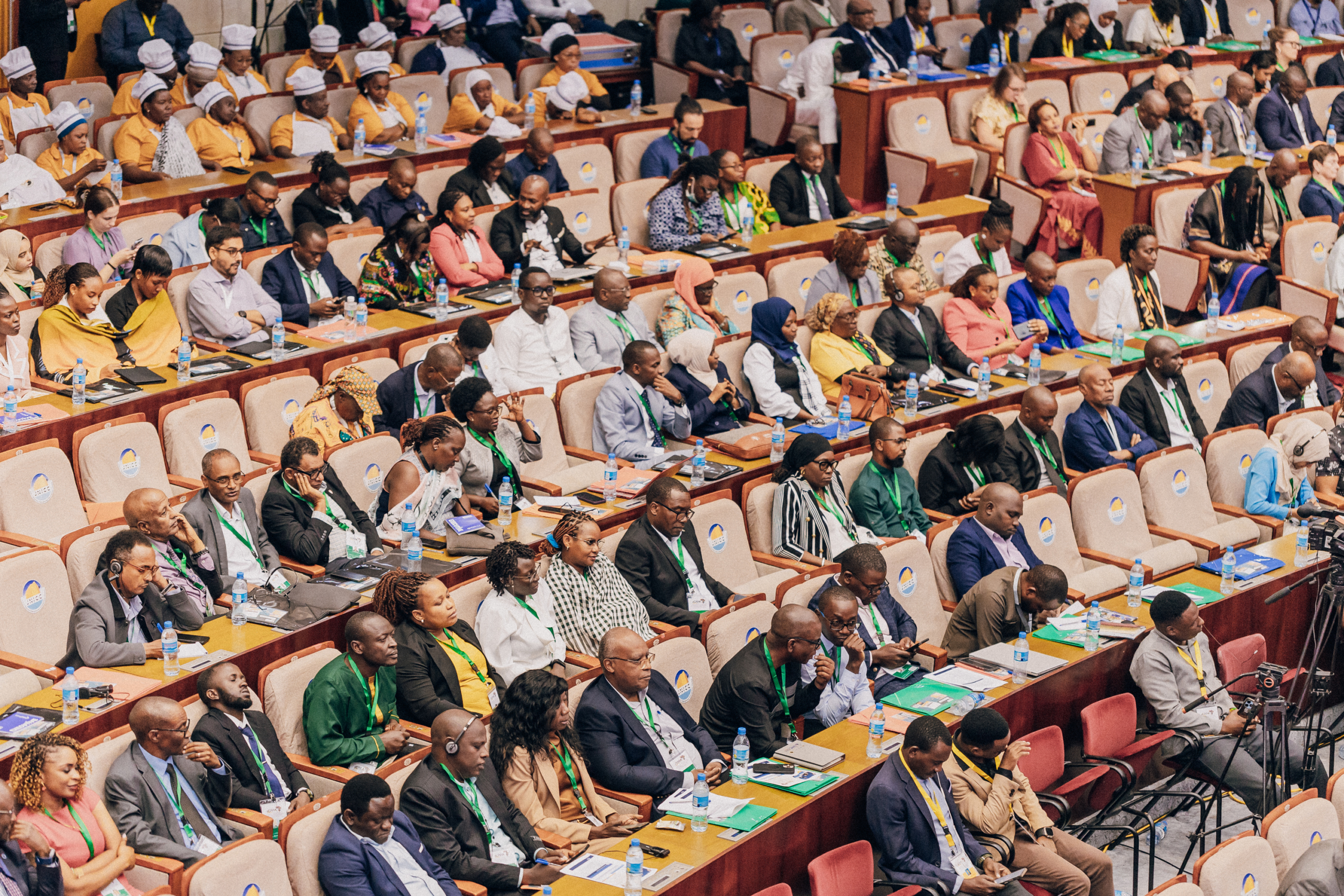
But the guidelines don’t just describe a perfect future state. They complement WHO’s life-saving care for severe NCDs in Africa. Helmsley’s $9 million grant to the WHO Regional Office for Africa has helped develop guidance for putting integrated T1D care into practice, bringing lifesaving services closer to home for people living in rural areas. Earlier this year, WHO reported that 20 countries were at various stages of implementing PEN-Plus, with services available in more than 120 district hospitals and over 1,750 health workers trained to manage severe NCDs.
These efforts illustrate how WHO guidance can translate into real-world impact for people with T1D and other severe NCDs, with governments, partners, and communities working together. This World Diabetes Day, these guidelines chart a path for public health systems turning early action into better outcomes for people living with T1D.