A vial of insulin sitting in a drawer saves no one; in the hands of a clinic that has run out, it saves a life.
Insulin for Life USA (IFL USA) exists to close that gap by collecting donated, unopened insulin and diabetes supplies and redistributing them to clinics in low- and middle-income countries, under-resourced communities across the United States, and disaster zones. Since 2012, that work has delivered more than 277,000 pounds of supplies and reached more than 57,000 people.
With funding from Helmsley, IFL USA helps ensure donated insulin reaches people who need it today while strengthening the partnerships that support more reliable access over time. Below, IFL USA Executive Director Svetlana Pushkareva Hutfles shares how that work comes together.
Walk us through what happens between IFL USA receiving donated supplies and those supplies reaching a person living with diabetes.
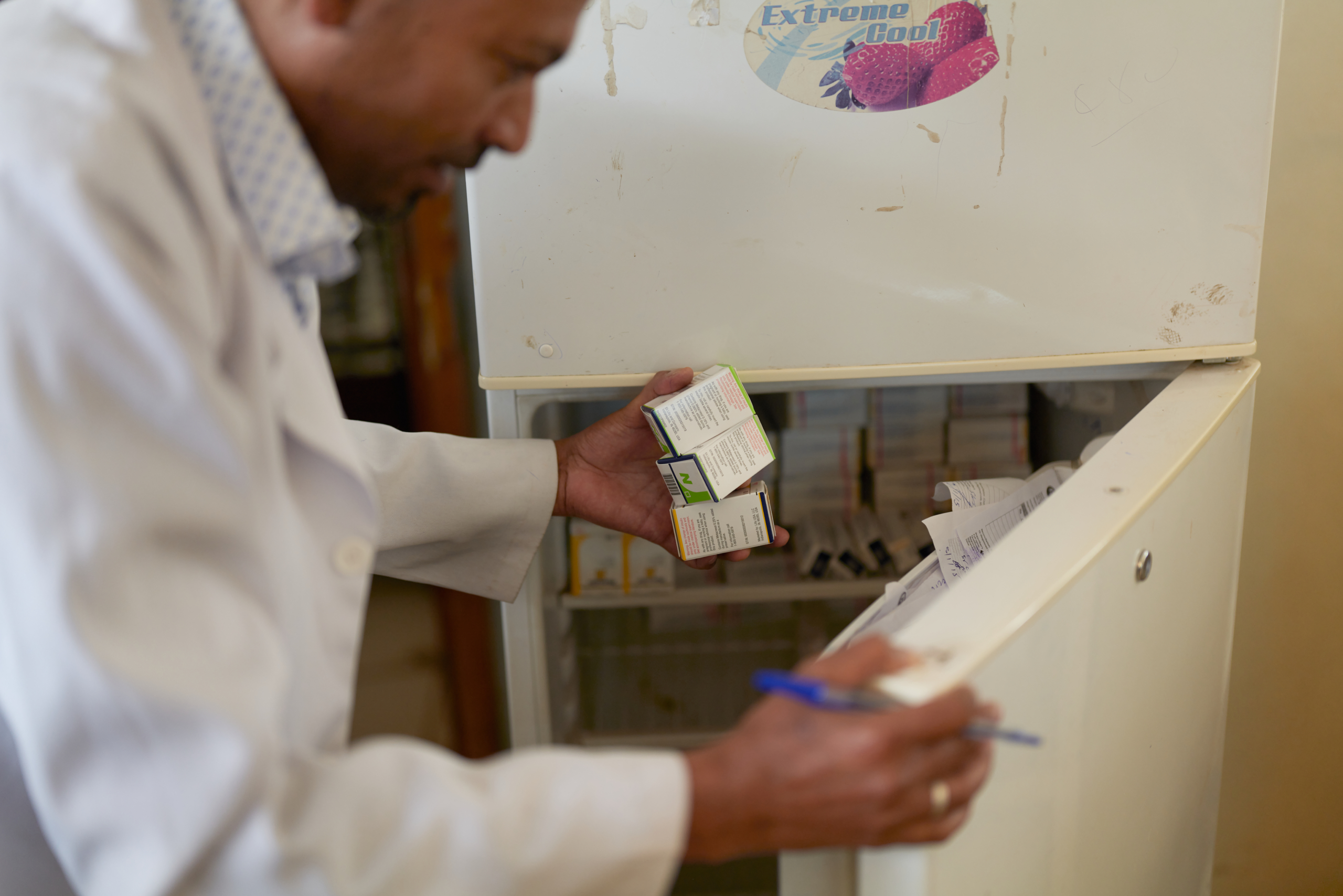
Supplies come to us from individuals living with diabetes and their families, along with clinics, pharmacies, and manufacturers. Our team inspects each donation to confirm it is unopened, in date, and appropriate for redistribution. Eligible insulin is then held under refrigeration for a set quarantine period before entering our inventory, where it’s kept under strict cold-chain conditions.
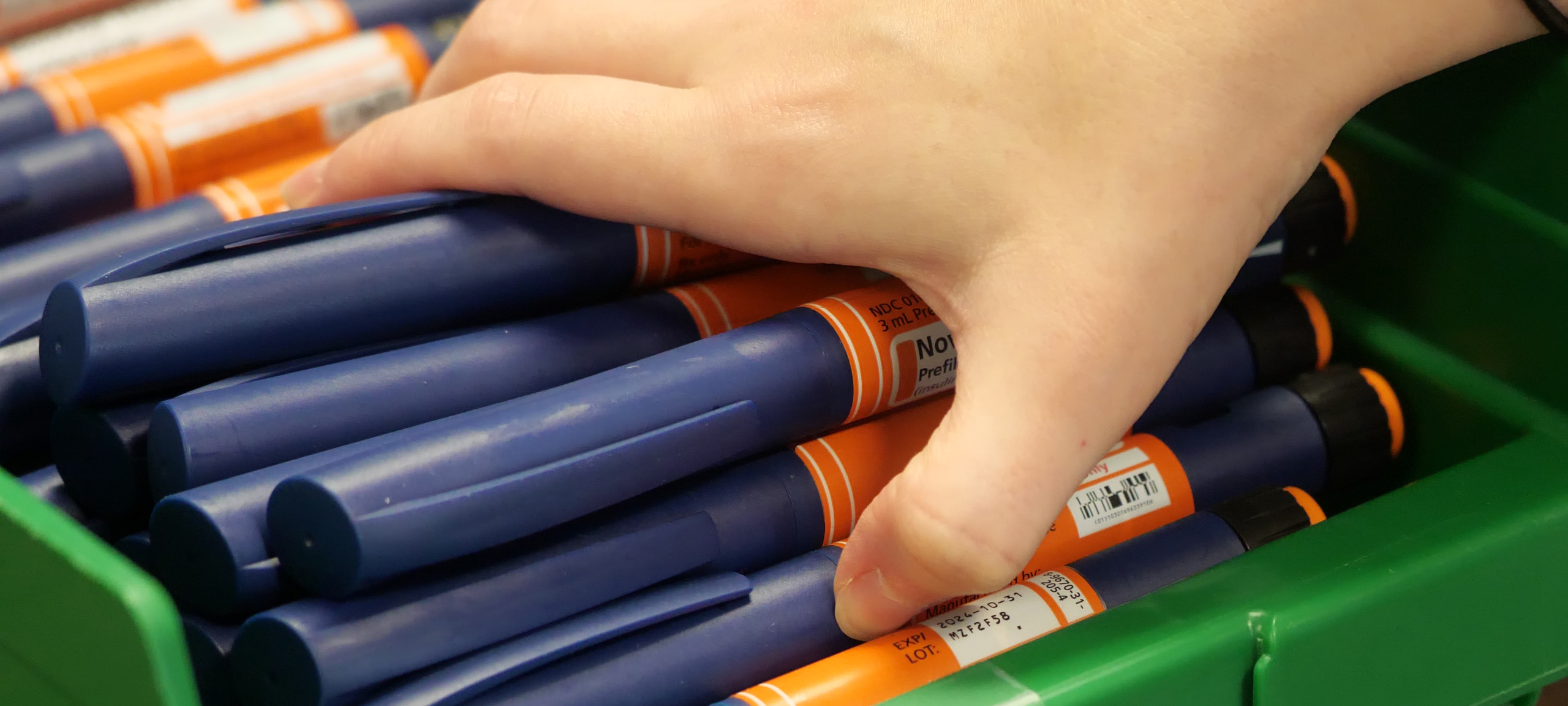
We then create what we describe as “diabetes in a box”: insulin plus syringes or pen needles, glucose meters, test strips, and other essentials. Local healthcare professionals distribute these supplies to patients as part of ongoing care.
What that looks like in practice is best seen through one patient. One young girl had left school as her health deteriorated, with no diagnosis and no answers. At a community diabetes education session, her mother heard every symptom her child experienced described aloud, and so she brought her daughter to one of our partner clinics that same day. She was diagnosed with diabetes and doctors started her on insulin supplied by IFL USA. Six months later, the girl was thriving and back in school.
IFL USA has responded to earthquakes, hurricanes, and conflict. What does it take to deliver insulin and other supplies in those moments?
Fourteen years of building relationships with clinics, logistics providers, and humanitarian partners help us respond quickly when traditional supply channels break down.
In the U.S., we delivered insulin and supplies to clinics serving western North Carolina after Hurricane Helene, when healthcare infrastructure had been severely disrupted. Existing relationships with those providers meant supplies reached patients without delay.
Internationally, within weeks of the invasion of Ukraine, supplies we had recovered were transferred to one of our partner organizations, Insulin for Life Austria, whose volunteers carried them across the border while larger humanitarian systems were still mobilizing.
These experiences reinforce that emergency response depends on relationships we build long before disasters occur.
How does IFL USA’s model fit into longer-term system-building work? Where does donation-based support end and systems work need to pick up?
Donation-based redistribution supports stronger health systems; it is not a substitute for them. Long-term solutions require governments, manufacturers, providers, and philanthropic organizations working together on affordable insulin, resilient supply chains, and sustainable financing.
At the same time, people living with diabetes cannot wait for those systems to be built. Our role is to bridge that gap while strengthening the local organizations already delivering care. Reliable access to insulin allows clinics to keep treating patients and to demonstrate that effective diabetes management is possible even in resource-constrained settings. When governments and international partners invest in expanding diabetes services, they can build on the work of clinics with proven experience rather than starting from scratch.
How have partnerships expanded IFL USA’s reach and impact?
Our impact is built entirely through partnership. We work through trusted healthcare partners in more than 31 low- and middle-income countries, and support 53 clinics and 14 health organizations across the U.S. Our clinic partners provide continuity of care and clinical expertise, and tell us how local needs are changing so each shipment is genuinely useful.
We also work closely with other diabetes organizations. Pump Avenue Foundation redistributes donated insulin pumps to patients who cannot afford them. By connecting their work with our collection and redistribution network, we extend the life of valuable pump equipment. Our collaboration with Diabetes Education for All, the International Alliance for Diabetes Action, and the Diabetes Disaster Response Coalition produced an Insulin Switching Guide in six languages, which helps healthcare professionals safely switch formulations when their usual products are unavailable. Philanthropic organizations, manufacturers, pharmacies, and logistics companies also help us maintain a reliable inventory and strengthen the cold chain.
One of the most powerful aspects of our model is that anyone can take part. No one has to wait for major policy change to improve global insulin access — every donated vial, every financial contribution, and every conversation that raises awareness becomes part of a collective effort that saves lives.
What do you hope IFL USA’s next chapter looks like, and what will it take to get there?
We hope the next chapter is defined by deeper collaboration across everyone working on diabetes care. Over 14 years we’ve built a trusted network able to recover and redistribute supplies safely at scale, and that network can become an even stronger platform for work with manufacturers, pharmacies, hospitals, and foundations.
Getting there depends on awareness: on every person living with diabetes in the U.S. knowing that unused, unopened, in-date supplies can help save someone’s life. As that awareness grows, so does our ability to recover more supplies, add clinic partners, and respond to both everyday needs and emergencies.
No one should die due to lack of insulin access. That is the future IFL USA is working toward every day.